The GLP-1 Sensation Question: Does Your Morning Coffee Still Taste the Same?
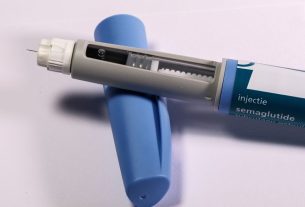
If you’ve recently started taking a GLP-1 medication like Ozempic for diabetes management or weight loss, you might be wondering about an unexpected side effect that’s been making headlines: changes to your sense of taste and smell. A groundbreaking study published in JAMA Otolaryngology has brought this lesser-known concern into the spotlight, leaving many patients asking whether their favorite foods will ever taste quite right again.
What the Research Actually Shows
The new study examined over 430,000 adults with type 2 diabetes, comparing those who took GLP-1 medications with those who didn’t. The findings were striking: participants using GLP-1 drugs reported taste disturbances at nearly twice the rate of the control group, with similar patterns for smell dysfunction. However, medical experts are quick to point out that while the data is interesting, these side effects appear to be relatively uncommon in real-world practice.
The proposed mechanism is intriguing from a scientific standpoint. Researchers believe GLP-1 drugs may affect the olfactory bulb and chemosensory pathways because GLP-1 receptors are widely distributed throughout the nervous system. This discovery opens new questions about how medications interact with our sensory experiences at a neurological level.
How Common Is This Really?
Here’s where the research gets nuanced. While the study suggests an association, medical professionals treating patients daily report that taste and smell dysfunction isn’t a major complaint. Dr. Mir Ali, a bariatric surgeon, notes that he hasn’t heard widespread concerns from his GLP-1 patients about sensory changes. Similarly, other clinicians suggest this side effect, if it occurs, is typically mild and temporary.
The good news? Any taste or smell changes appear to reverse once patients stop taking the medication or as their body adjusts. Medical experts also point out that weight loss itself can affect taste perception, making it difficult to isolate GLP-1 as the sole culprit in sensory changes.
Why Your Senses Matter for Health
Understanding the importance of taste and smell helps contextualize this concern. These senses do far more than help us enjoy meals. Smell provides crucial safety warnings—detecting gas leaks or smoke—and influences our emotional and behavioral responses. Taste helps us identify nutritious foods and signals our digestive system to prepare for processing nutrients.
For people over 40, taste and smell dysfunction is already surprisingly common, affecting nearly 20 percent of the population. Add age-related changes, previous COVID-19 infections, and other health conditions into the mix, and sensory impairment becomes a complex health picture worth monitoring.
The Bottom Line on GLP-1s and Sensory Health
Medical consensus suggests that the benefits of GLP-1 medications for diabetes management and weight loss significantly outweigh the potential for temporary taste or smell changes. These drugs have demonstrated impressive results in helping people achieve healthier weights and better metabolic control—outcomes that substantially impact long-term wellness.
If you’re considering GLP-1 therapy or already taking these medications, the key is informed awareness rather than unnecessary worry. Report any taste or smell changes to your healthcare provider, maintain a balanced diet regardless of sensory perception, and remember that any side effects are likely temporary. The goal of reaching a healthier weight and improved metabolic health remains one of the most important wellness priorities, and GLP-1 medications continue to be a valuable tool in achieving that goal.