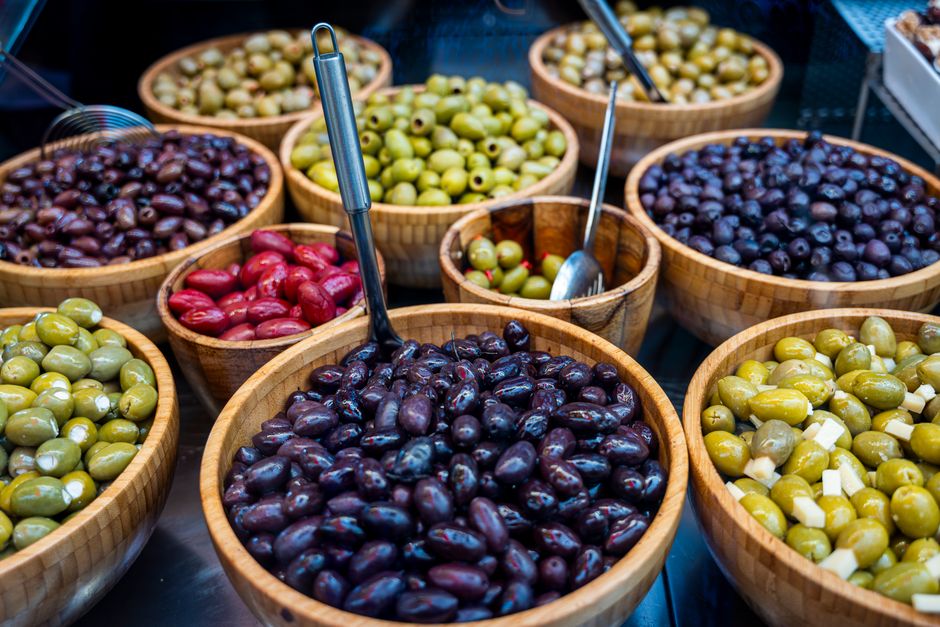
Understanding Olive Varieties: A Nutritional Guide to Nature’s Healthiest Fruits
Olives have graced Mediterranean diets for thousands of years, and modern nutritional science confirms what ancient cultures intuitively knew—these small fruits pack an impressive nutritional punch. Whether you’re selecting olives for your kitchen or exploring their health benefits, understanding the different varieties can transform how you incorporate them into your wellness routine.
Castelvetrano Olives: The Buttery Wellness Choice
Hailing from Sicily, Castelvetrano olives are prized for their delicate, buttery flavor and pale green color. These olives contain high concentrations of monounsaturated fats—the heart-healthy fats that support cardiovascular health. Rich in antioxidants, particularly polyphenols, Castelvetrano olives make an excellent addition to anti-inflammatory eating patterns. Their mild flavor makes them perfect for snacking straight from the jar, allowing you to reap maximum nutritional benefits without overwhelming your palate.
Kalamata Olives: Antioxidant Powerhouses
These dark purple Greek olives boast an impressive nutritional profile. Kalamata olives contain more antioxidants than their lighter counterparts, making them particularly valuable for those focused on cellular health and longevity. Their rich, slightly wine-like flavor complements Mediterranean salads beautifully, and the act of consuming them mindfully can enhance your overall eating experience. Research suggests that the polyphenols found in Kalamata varieties may support brain health and cognitive function, making them a smart choice for wellness-conscious individuals.
Manzanilla Olives: The Versatile Nutrient Source
Spanish Manzanilla olives offer a balanced nutritional profile with a crisp, fresh taste. These green olives contain substantial amounts of vitamin E, an important fat-soluble antioxidant that supports skin health and protects cells from oxidative stress. Their firm texture and mild flavor make them incredibly versatile—equally at home in a cocktail or as part of a composed salad. For those tracking their sodium intake, Manzanilla varieties can be rinsed before consumption to reduce salt content while maintaining nutritional value.
Exploring Beyond the Classics
Beyond these three popular varieties, olives like Niçoise, Arbequina, and Cerignola each offer unique nutritional advantages. Niçoise olives, small and dark, contain concentrated levels of beneficial compounds in their compact form. Arbequina olives provide a buttery, nutty profile while delivering abundant minerals like iron and copper. Each variety represents a different expression of the olive’s potential, encouraging dietary diversity—a cornerstone of nutritional wellness.
Making Olives Part of Your Wellness Journey
The health benefits of olives extend beyond simple nutrition facts. These fruits support the Mediterranean diet, repeatedly recognized as one of the world’s healthiest eating patterns. Their natural sodium content and caloric density demand mindful consumption, but when incorporated thoughtfully, olives contribute significantly to overall wellness goals.
Whether you prefer the buttery richness of Castelvetrano, the antioxidant intensity of Kalamata, or the balanced versatility of Manzanilla, each olive variety offers distinct health advantages. By understanding these differences, you can make informed choices that align with your nutritional goals and personal health journey. The key to maximizing olive benefits lies not in choosing one “best” variety, but in appreciating the unique wellness profile each brings to your table.