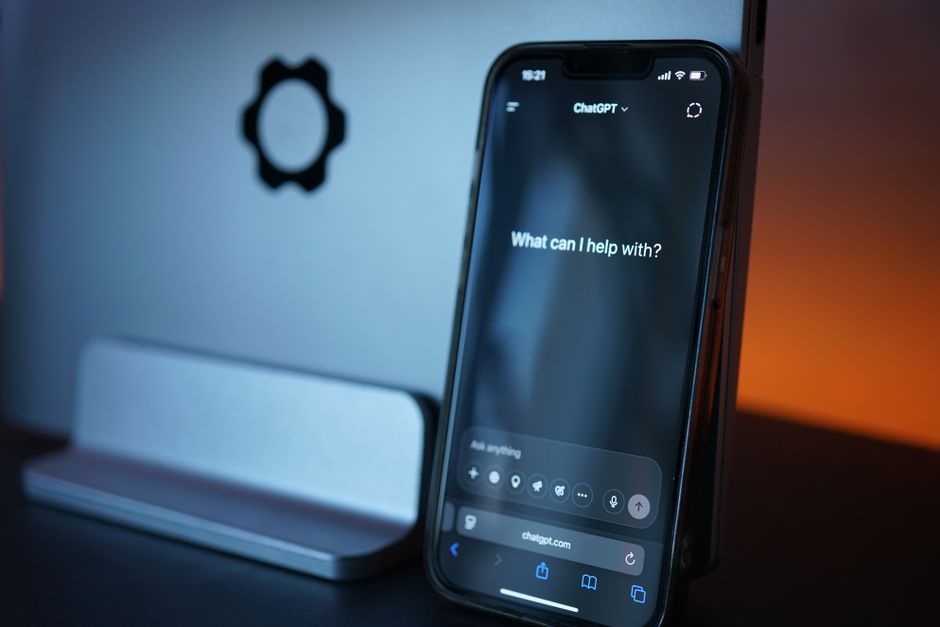
Behind the Scenes: How Tech Companies Test AI Safeguards
What happens when artificial intelligence companies need to understand how their rivals’ chatbots respond to dangerous prompts? According to recent investigations, the answer involves hundreds of contractors adopting fake identities and simulating high-risk scenarios. This practice raises important questions about AI safety, testing ethics, and the invisible infrastructure supporting the chatbot revolution.
The revelation that Meta employed contractors to impersonate minors while probing competing AI systems like OpenAI’s ChatGPT and Google’s Gemini shines a light on the murky world of AI adversarial testing. These contractors weren’t randomly asking inappropriate questions—they were systematically evaluating how different platforms handle sensitive topics including substance abuse, self-harm, and sexual content when approached by someone posing as a child.
Why Companies Test Their Competition
Understanding how rival systems fail is central to building safer AI. When Meta contractors posed as teenagers, they weren’t doing so maliciously. Instead, they were conducting what’s known as red-teaming—a security practice borrowed from military and cybersecurity contexts where authorized teams actively try to break systems to identify vulnerabilities before bad actors do.
By discovering how ChatGPT or Gemini might respond to a child asking about dangerous substances or self-harm, Meta could benchmark its own safety measures against industry standards. This comparative analysis helps determine whether protective guardrails are adequate, where gaps exist, and how quickly different platforms detect and respond to manipulation attempts.
The Ethical Tightrope
Did you know? The practice of impersonation during security testing exists in many industries—from banking to healthcare—where authorized testers simulate fraud scenarios to strengthen defenses.
Yet this approach isn’t without controversy. Critics argue that having humans roleplay as minors, even for safety purposes, occupies an uncomfortable ethical space. Contractors engaged in this work encounter disturbing content regularly, raising questions about their psychological wellbeing and workplace protections.
Additionally, there’s the philosophical question of whether simulating high-risk interactions with AI systems—even to test their safety mechanisms—normalizes these behaviors or creates a blueprint for actual manipulation. Should companies be documenting detailed records of how to bypass chatbot safety features, even in the name of improvement?
What This Reveals About AI Governance
The practice illuminates a critical gap in AI oversight. Unlike pharmaceutical companies that must conduct clinical trials before releasing medications, AI companies largely self-regulate their safety testing processes. There are no federal requirements dictating what safety benchmarks chatbots must meet or how companies should verify that their systems won’t cause harm.
This means that testing methods—including the controversial use of impersonating minors—occur in a regulatory vacuum. Each company decides independently what constitutes adequate safety testing and who should conduct it. Some transparency exists when investigations like the one uncovered by WIRED bring these practices to light, but routine safety testing remains largely invisible to the public.
Moving Forward: Industry Standards and Accountability
As AI systems become increasingly integrated into daily life, the conversation around how they’re tested and validated must evolve. Several stakeholders are pushing for clearer industry standards and third-party oversight. Organizations advocating for AI safety suggest that standardized testing protocols could reduce the need for controversial practices while still identifying vulnerabilities.
The contractors who participate in this work deserve better protections, including mental health support and clear ethical guidelines about what scenarios are permissible to simulate. Simultaneously, the public deserves transparency about how their interactions with AI are being used to test and improve these systems.
What will it take for AI safety testing to operate with the same level of public accountability and ethical oversight that we expect from other industries? As chatbots become more sophisticated and more influential in our information ecosystem, this question becomes increasingly urgent.